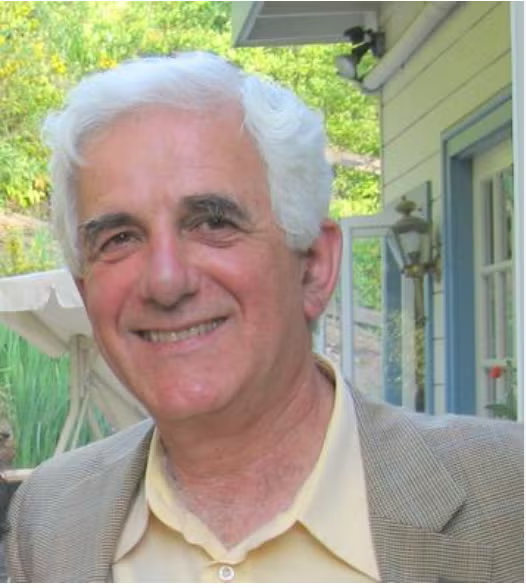
Salim Tamari
سليم تماري
Born: Jaffa, Mandatory Palestine
Domain: Academia & Thought
Recognition: Regionally recognized
Biography
Salim Tamari is a Palestinian sociologist and one of the foremost social historians of late Ottoman and Mandate Palestine, especially of Jerusalem and its everyday life. Through decades of teaching and editing he has reshaped Palestinian historiography away from elite political narratives toward the texture of ordinary urban society. Professor emeritus of sociology at Birzeit University and a senior fellow at the Institute for Palestine Studies, Tamari long edited the Jerusalem Quarterly, a journal central to the cultural and social history of the city. His scholarship recovers the worlds of artisans, soldiers, diarists, and city dwellers on the eve of the modern era. His books, including Mountain Against the Sea and The Year of the Locust, draw on diaries and memoirs to illuminate the cosmopolitan, layered life of Ottoman and early-twentieth-century Palestine before the ruptures of war and partition. He brought figures such as the soldier-diarist Ihsan Turjman and the musician Wasif Jawhariyyeh to scholarly attention. Tamari has been a leading voice in framing Palestinian history as social and cultural history, influencing a younger generation of historians who study Palestine from the ground up. His editorial and institutional work has been as important as his own writing. Widely translated and cited, he is among the most respected living Palestinian academics, bridging sociology, history, and cultural studies and keeping the urban heritage of Jerusalem and Jaffa within scholarly view.
Why This Person Matters
He pioneered the social and cultural history of Ottoman and Mandate Palestine, recentering scholarship on everyday urban life.
Historical Context
Salim Tamari was born in 1945 in Jaffa, three years before the Nakba erased the cosmopolitan coastal city of his birth, an event that lies behind his lifelong scholarly project of recovering the lost everyday world of Ottoman and Mandate Palestine. Building his career at Birzeit University in the West Bank under occupation, he watched Palestinian historiography fixate on elite politics and high diplomacy while the texture of ordinary urban life vanished from the record. His editorship of the Jerusalem Quarterly and his work at the Institute for Palestine Studies became instruments for resisting that erasure. By turning to diaries and memoirs, he reconstructed a Palestine of artisans, soldiers, and city dwellers that existed before the ruptures of war and partition.
Historical Context
- — Born in Jaffa, Mandatory Palestine
- — The Nakba – Palestinian catastrophe and mass displacement
- — Six-Day War and occupation of West Bank and Gaza
Legacy & Influence
Tamari is credited with reorienting Palestinian historiography toward social and cultural history, away from elite political narrative and toward the lived experience of the city. Books like 'Mountain Against the Sea' and 'The Year of the Locust' recovered figures such as the soldier-diarist Ihsan Turjman and the musician Wasif Jawhariyyeh, giving them lasting scholarly life. His decades of editing the Jerusalem Quarterly built an institutional home for this approach and trained a younger generation of historians who now study Palestine from the ground up. Widely translated and cited, he remains among the most respected living Palestinian academics, his method as influential as any single book he wrote.
Topics & Themes
- British Mandate
References & Sources
- Salim Tamari — https://www.palestine-studies.org/en/biographies/salim-tamari
- Salim Tamari — https://en.wikipedia.org/wiki/Salim_Tamari