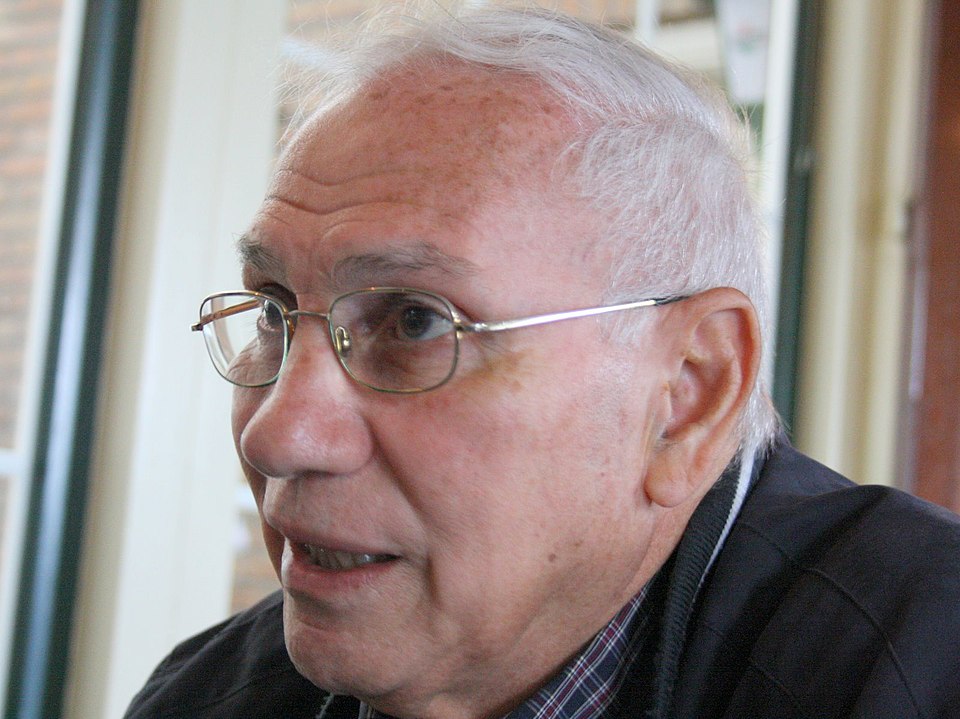
Naim Ateek
نعيم عتيق
Born: Beisan, Palestine
Domain: Civil Society & Religion
Recognition: Globally recognized
Biography
Naim Stifan Ateek, born in Beisan in 1937, is a Palestinian Anglican priest and the founding theologian of Palestinian liberation theology. His family was expelled from Beisan during the Nakba of 1948, an experience of dispossession that lies at the heart of his theological reflection on justice, land, and the meaning of scripture in the context of occupation. Ateek was the first to articulate a systematic Palestinian theology of liberation in his 1989 book 'Justice, and Only Justice: A Palestinian Theology of Liberation,' which reframed biblical interpretation from the perspective of an oppressed and displaced people. The work became a foundational text for Christians around the world grappling with the Palestinian question. In 1991 he founded the Sabeel Ecumenical Liberation Theology Center in Jerusalem, a grassroots movement among Palestinian Christians that links faith to the pursuit of justice and nonviolence. Through Sabeel and its international 'Friends of Sabeel' networks, Ateek built a global platform connecting Palestinian Christian witness to churches in Europe, North America, and beyond. His subsequent books, including 'A Palestinian Christian Cry for Reconciliation,' deepened a theology centered on nonviolence, reconciliation, and the dignity of all peoples. His work has been both influential and contested, drawing wide engagement in ecumenical and academic circles. Ateek remains one of the most internationally recognized figures of Palestinian Christianity, having given the small but historic Palestinian Christian community a distinctive theological voice in global religious discourse.
Why This Person Matters
Ateek founded Palestinian liberation theology and the Sabeel center, giving Palestinian Christians a globally influential theological voice rooted in justice and nonviolence.
Historical Context
Naim Ateek was born in Beisan in 1937 and expelled with his family during the Nakba of 1948, a dispossession that became the wellspring of his theological reflection on land, justice, and scripture. As a Palestinian Anglican priest serving inside Israel and in Jerusalem, he wrote at the intersection of the Palestinian struggle and a global Christianity often blind to or complicit in it. His foundational 1989 book emerged amid the first Intifada, when the moral urgency of the Palestinian question pressed hard on the churches. His life's work answered the question of what the Bible means when read from beneath occupation and exile.
Historical Context
- — Born in Beisan, Palestine
- — The Nakba – Palestinian catastrophe and mass displacement
- — Six-Day War and occupation of West Bank and Gaza
Legacy & Influence
Ateek founded Palestinian liberation theology with his 1989 book 'Justice, and Only Justice,' which reframed biblical interpretation from the perspective of a displaced and oppressed people and became a foundational text worldwide. In 1991 he established the Sabeel Ecumenical Liberation Theology Center in Jerusalem, building, through its international Friends of Sabeel networks, a global platform linking Palestinian Christian witness to churches across Europe and North America. His theology of nonviolence and reconciliation, deepened in later books, gave the small historic Palestinian Christian community a distinctive and globally influential voice. He remains among the most internationally recognized figures of Palestinian Christianity.
Topics & Themes
- British Mandate
References & Sources
- Naim Ateek — https://en.wikipedia.org/wiki/Naim_Ateek
- A Palestinian Theology of Liberation - Orbis Books — https://orbisbooks.com/products/a-palestinian-theology-of-liberation