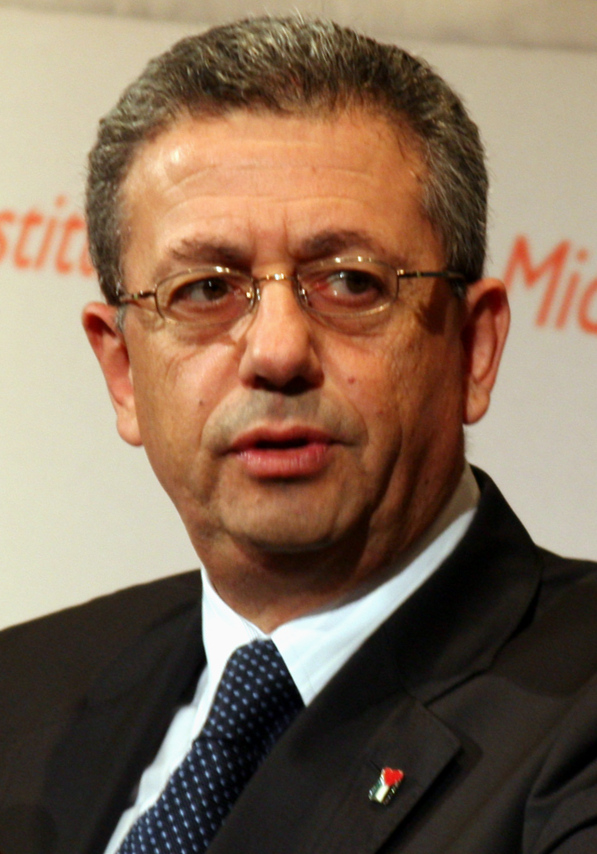
Mustafa Barghouti
مصطفى البرغوثي
Born: Jerusalem, Palestine
Domain: Civil Society & Religion
Recognition: Globally recognized
Biography
Mustafa Barghouti, born in Jerusalem in 1954, is a Palestinian physician and civil-society leader best known for building one of the largest grassroots healthcare networks in the occupied territories. Trained in medicine in Moscow, he practiced for many years before turning his energies to community health and democratic civic organizing. In 1979 he co-founded the Palestinian Medical Relief Society (PMRS), which grew from a volunteer effort into one of the largest providers of primary healthcare in the West Bank and Gaza, mobilizing hundreds of health professionals and tens of thousands of volunteers to deliver services to underserved and marginalized communities. Barghouti has been a prominent advocate of nonviolent civil resistance to occupation and of building democratic, inclusive Palestinian civil society. In 2002, together with figures such as Haidar Abdel-Shafi and Edward Said, he helped found the Palestinian National Initiative (al-Mubadara) as a reformist civic alternative. His healthcare and civic work has earned him international recognition as a leading voice for Palestinian rights, public health, and democratic reform. He has represented the cause in numerous international forums and is widely respected for combining medical service with principled advocacy. Through the Palestinian Medical Relief Society and his broader civic activism, Barghouti has demonstrated how grassroots service institutions can anchor civil society and sustain community resilience under occupation.
Why This Person Matters
Barghouti co-founded the Palestinian Medical Relief Society, one of the largest grassroots health networks under occupation, anchoring civil society in community service.
Historical Context
Mustafa Barghouti was born in Jerusalem in 1954 and trained in medicine in Moscow before turning to community health in the occupied territories. He co-founded the Palestinian Medical Relief Society in 1979, during a period when grassroots volunteer organizing was central to sustaining Palestinian society under occupation and before the formal institutions of the Palestinian Authority existed. His civic activism matured through the first Intifada, the Oslo years, and the second Intifada, when he became a leading advocate of nonviolent resistance. In 2002, amid disillusionment with the Oslo framework, he helped found a reformist civic alternative with figures like Haidar Abdel-Shafi and Edward Said.
Historical Context
- — Born in Jerusalem, Palestine
- — Six-Day War and occupation of West Bank and Gaza
Legacy & Influence
Barghouti grew the Palestinian Medical Relief Society from a volunteer effort into one of the largest providers of primary healthcare in the West Bank and Gaza, mobilizing hundreds of professionals and tens of thousands of volunteers to reach marginalized communities. In 2002 he co-founded the Palestinian National Initiative (al-Mubadara) as a democratic, reformist alternative anchored in civil society. Internationally recognized as a voice for Palestinian rights, public health, and democratic reform, he has demonstrated how grassroots service institutions can sustain community resilience under occupation. His blend of medical service and principled advocacy has made him an enduring model of civic leadership.
Topics & Themes
- Nakba Generation
- Jerusalem
References & Sources
- Mustafa Barghouti — https://en.wikipedia.org/wiki/Mustafa_Barghouti
- Mustafa Barghouti - The Muslim 500 — https://themuslim500.com/profiles/mustafa-barghouti/