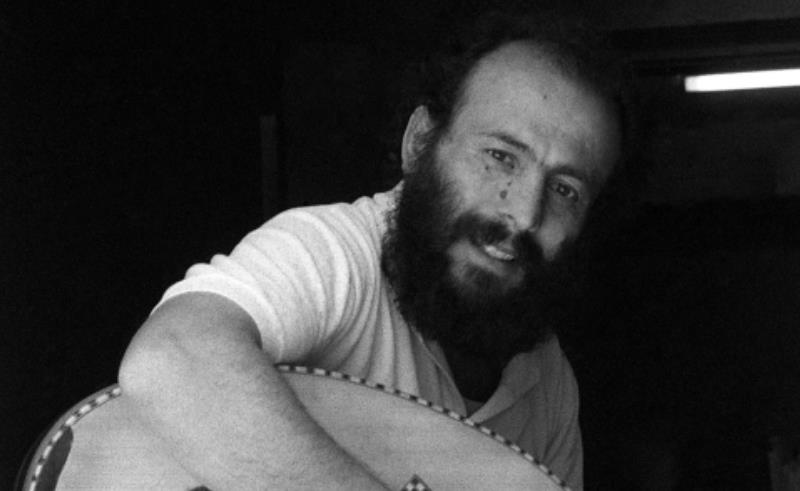
Mustafa al-Kurd
مصطفى الكرد
Born: Jerusalem, Mandatory Palestine
Domain: Music
Recognition: Regionally recognized
Biography
Mustafa al-Kurd, born in the Christian Quarter of Jerusalem in 1945, was one of the foremost voices of Palestinian resistance song and a defining figure of committed music in the occupied territories. Often called the "Voice of Palestine," he forged a style that fused classical Arabic oud, Sufi chant, Byzantine liturgical singing, European organ music, and Palestinian folklore into a distinctive idiom of national expression. He began studying the oud in 1962 and quickly committed his art to the Palestinian cause, becoming associated with the wave of politically engaged song that swept the Arab world in the 1960s and 1970s. In 1970 he co-founded the al-Hakawati Theatre, helping to build durable cultural institutions in a city under occupation, and his songs of land, exile, and steadfastness became anthems of the Palestinian movement. Al-Kurd's commitment carried a personal cost. His outspoken nationalist art brought him into repeated conflict with the Israeli authorities, including detention and a period of deportation, experiences that only deepened his identification with Jerusalem and reinforced his standing as an artist of resistance. Through decades of political upheaval he remained rooted in his native city, performing, composing, and mentoring younger musicians. His repertoire ranged from intimate oud meditations to rousing collective songs, and his blending of sacred and secular, Eastern and Western sources reflected the layered identity of Jerusalem itself. He also worked in theater and as an actor, extending his cultural influence beyond music into the broader Palestinian arts scene. When he died in Jerusalem in February 2024, tributes across the Arab and Palestinian world hailed him as a steadfast guardian of his city's voice. His decades of resistance song and institution-building secured his place as a leading figure of the generation that turned Palestinian music into an instrument of national survival.
Why This Person Matters
A leading voice of Palestinian resistance song and the "Voice of Palestine," he turned music into an instrument of national steadfastness and paid for it with detention and deportation.
Historical Context
Mustafa al-Kurd was born in the Christian Quarter of Jerusalem in 1945, three years before the Nakba, and grew up in a city he would see divided in 1948 and then wholly occupied after the 1967 war. Taking up the oud in 1962, he committed his art to the Palestinian cause just as the wave of politically engaged song was sweeping the Arab world in the 1960s and 1970s. His resistance songs of land, exile, and steadfastness made him a target of the Israeli occupation authorities, who subjected him to detention and a period of deportation from his own city. He lived and worked through every phase of the long Palestinian struggle in Jerusalem, from the consolidation of occupation through both Intifadas, remaining rooted in the city until his death in 2024.
Historical Context
- — Born in Jerusalem, Mandatory Palestine
- — The Nakba – Palestinian catastrophe and mass displacement
- — Six-Day War and occupation of West Bank and Gaza
- — Passed away
Selected Works
- Palestinian Traditional Music Recordings — A keeper and performer of Palestinian traditional music, whose recordings and performances preserved repertoire at risk of being lost, passing folk melodies and maqam traditions to younger generations.
Legacy & Influence
Known as the "Voice of Palestine," al-Kurd forged a distinctive idiom that fused classical Arabic oud, Sufi chant, Byzantine liturgy, and Palestinian folklore, and his songs of steadfastness became anthems of the national movement. In 1970 he co-founded the al-Hakawati Theatre, helping build durable cultural institutions in an occupied city and extending his influence into Palestinian theater and acting. His detention and deportation made him an emblem of the price paid by artists of resistance, deepening his identification with Jerusalem. When he died in February 2024, tributes across the Arab and Palestinian world hailed him as a steadfast guardian of his city's voice and a leading figure of the generation that turned Palestinian music into an instrument of national survival.
Topics & Themes
- British Mandate
- Jerusalem
References & Sources
- A Biographical Sketch of Mustafa al-Kurd of Jerusalem — https://www.jerusalemstory.com/en/bio/mustafa-al-kurd
- In a Continuous Return to Jerusalem: A Eulogy for Mustafa al-Kurd — https://mondoweiss.net/2024/02/in-a-continuous-return-to-jerusalem-a-eulogy-for-mustafa-al-kurd/