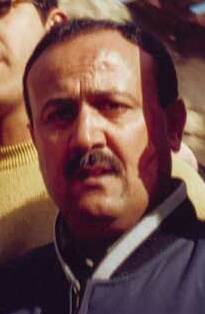
Marwan Barghouti
مروان البرغوثي
Born: Kobar, Palestine
Domain: Politics & Diplomacy
Recognition: Globally recognized
Biography
Marwan Barghouti (born 1959 in Kobar, near Ramallah) is one of the most prominent Palestinian political leaders of his generation — a figure so widely respected across factional lines that he is often called “the Palestinian Mandela.” A leader of Fatah and founder of its Tanzim grassroots militia, he rose to national prominence during the First and Second Intifadas. He joined Fatah as a teenager, was first imprisoned by Israel in his youth, and learned fluent Hebrew during his detention. He became a key organizer of popular resistance and a leading voice of the Fatah “young guard” that challenged the old PLO leadership returning from exile after Oslo. Elected to the Palestinian Legislative Council in 1996, he argued at different times both for resistance to occupation and for a negotiated two-state solution. Israel arrested him in 2002 during the Second Intifada; in 2004 an Israeli court sentenced him to five life terms in proceedings he refused to recognize, and which Palestinians widely regard as the trial of a political prisoner. From prison he has remained a towering political force. He authored the 2006 “Prisoners’ Document” calling for Palestinian national unity, and has repeatedly topped opinion polls as Palestinians’ preferred candidate for president. International campaigns, consciously echoing the anti-apartheid movement, have called for his release. His enduring popularity across both Fatah and Hamas constituencies makes him a symbol of Palestinian unity and steadfastness, and a recurring name in every discussion of leadership after Mahmoud Abbas.
Why This Person Matters
Imprisoned for more than two decades yet still the most popular Palestinian leader in poll after poll, Marwan Barghouti embodies the unbroken link between resistance and the aspiration for a unified Palestinian future.
Historical Context
Marwan Barghouti was born in 1959 in Kobar near Ramallah and joined Fatah as a teenager, coming of political age under the occupation that followed 1967 and learning fluent Hebrew during early stints in Israeli prison. He emerged as a leading organizer of the First Intifada and then a defining figure of the Second, founding Fatah's Tanzim militia and leading the grassroots "young guard" that challenged the exiled PLO leadership returning under Oslo. Elected to the Palestinian Legislative Council in 1996, he moved between advocating armed resistance and a negotiated two-state solution before Israel arrested him in 2002 and an Israeli court sentenced him in 2004 to five life terms, in proceedings he refused to recognize. His imprisonment thus tracks the entire trajectory from the optimism of Oslo to the collapse of the peace process.
Historical Context
- — Born in Kobar, Palestine
- — Six-Day War and occupation of West Bank and Gaza
Legacy & Influence
More than two decades into his imprisonment, Barghouti remains the most popular Palestinian leader, topping poll after poll as the preferred candidate for president across both Fatah and Hamas constituencies. Often called "the Palestinian Mandela," he authored the 2006 Prisoners' Document calling for national unity, a text that still frames debates over reconciliation between the factions. International campaigns consciously echoing the anti-apartheid movement continue to demand his release, keeping his name central to every discussion of leadership after Mahmoud Abbas. He endures as a symbol of steadfastness and of the unbroken link between resistance and the aspiration for a unified Palestinian future.
Topics & Themes
- Nakba Generation
References & Sources
- Wikipedia - Marwan Barghouti — https://en.wikipedia.org/wiki/Marwan_Barghouti
- Britannica - Marwan Barghouti — https://www.britannica.com/biography/Marwan-Barghouti
- Al Jazeera - Who is Marwan Barghouti? — https://www.aljazeera.com/news/2017/4/16/who-is-marwan-barghouti